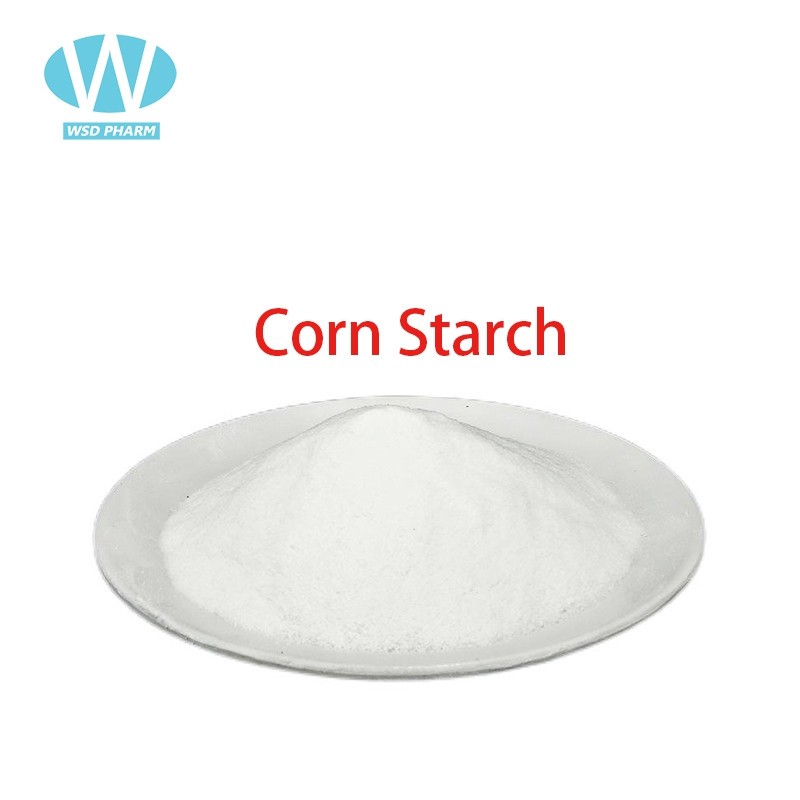
Corn starch is mainly composed of carbohydrates and is a good source of energy, but its nutritional value is relatively low. In food processing, corn starch is commonly used as a thickener, stabilizer, and filler.
1. Carbohydrates: Each 100 grams of corn starch contains about 91 grams of carbohydrates, mainly starch. These carbohydrates can quickly provide energy and help maintain the calories needed for daily activities.
2. Protein and fat: Corn starch has very low protein and fat content, with only about 0.3 grams of protein and 0.1 grams of fat per 100 grams. Corn starch is not a source of high-quality protein or healthy fats.
3. Cellulose: Each 100 grams of corn starch contains only about 0.9 grams of dietary fiber, which is relatively low and has limited effectiveness in promoting intestinal peristalsis and preventing constipation.
4. Trace nutrients: Corn starch has extremely low levels of vitamins and minerals. For example, the calcium content in every 100 grams of corn starch is only about 2 milligrams, and the iron content is 0.5 milligrams. Corn starch is not an ideal choice for obtaining micronutrients.
5. Food processing applications: Corn starch has good thickening, bonding, and gelling properties and is commonly used in soups, sauces, puddings, and other foods. Corn starch can also be used in baked goods to improve taste and appearance.
Although corn starch can quickly provide energy, its nutritional value is limited and should be consumed in conjunction with other foods rich in protein, fat, and micronutrients. For people who need to control their blood sugar, the intake of corn starch should be moderate, as it can rapidly increase blood sugar levels.